Record-Breaking Inbound Travel to Japan in 2026 — What It Means for Foreigner-Friendly Shinjuku Nightlife
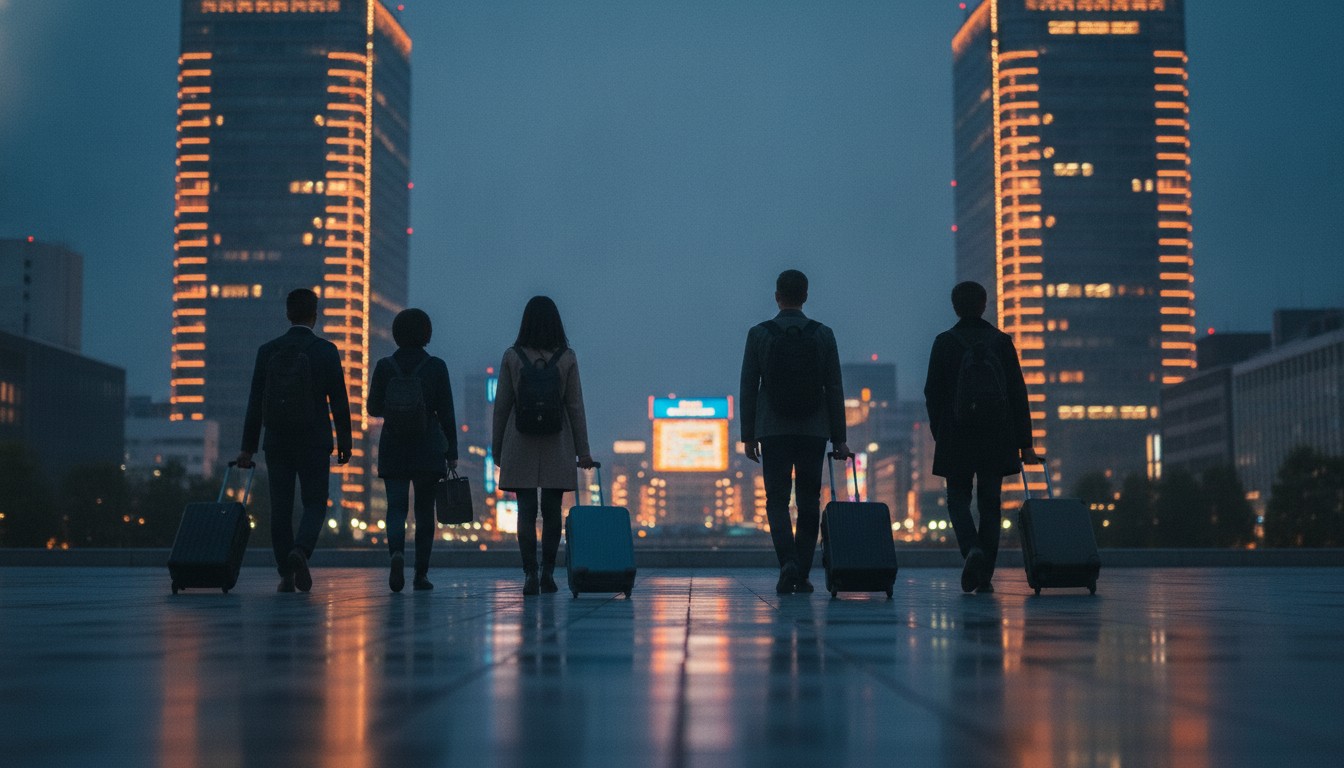
Record-Breaking Inbound Travel to Japan in 2026 — What It Means for Foreigner-Friendly Shinjuku Nightlife
Japan's inbound travel story in early 2026 is more interesting than a single headline number can capture. The first quarter alone pushed international arrivals past ten million for the first time, with March setting a record for the month at roughly 3.6 million visitors. Then April delivered a twist: the overall total dipped about 5.5% year-on-year — the first monthly decline in a long while — and yet several individual source markets posted their best-ever April on record.
For someone planning an evening out in Shinjuku, those numbers are not just trivia. They tell you who is in town, which neighbourhoods are busy, and — most usefully — how the venues that actually want international guests are positioning themselves. This post unpacks the data and turns it into something practical: how to find a foreigner-friendly, transparent premium nightlife experience in Shinjuku in a record-traffic year.
The Numbers Behind the Headline
The top-line story for spring 2026 is two stories at once. Long-haul and some large markets softened, which pulled the total down in April. But intra-Asian travel proved remarkably resilient, and that is where the records were set.
Taiwan is the standout. April arrivals from Taiwan reached roughly 643,500 — up about 19.7% year-on-year and an all-time April record. South Korea led all markets at around 878,600 visitors, up about 21.7%. These are not marginal gains; they represent hundreds of thousands of additional travellers from markets that disproportionately visit Tokyo and disproportionately go out at night.
At the same time, arrivals from mainland China fell sharply in April, which accounts for most of the overall dip. The mix of the inbound crowd shifted rather than the demand for Japan itself evaporating. For Shinjuku specifically — long the densest nightlife district in the country — the practical effect is a crowd that is more diverse, more Asia-led, and more likely than ever to be navigating the neighbourhood in a language other than Japanese.
Why "Foreigner-Friendly" Stopped Being Optional
When a neighbourhood's evening visitors are increasingly international, the venues that ignore them lose. That sounds obvious, but Kabukicho spent decades operating as a Japanese-language, insider-knowledge district where a first-time foreign visitor was at a structural disadvantage. The classic friction points are well documented: opaque pricing, street touts (the muryo-annaijo system), and the gap between what was promised on the sidewalk and what appeared on the bill.
Record international traffic changes the incentives. Venues that genuinely want repeat international guests now compete on exactly the things that used to be missing — published pricing, multilingual booking, and staff who can actually host a table in Mandarin, Cantonese, or English. We wrote the full primer on navigating this as a first-timer in our complete Shinjuku nightlife guide for international visitors, and it pairs directly with this post.
The short version: in a record-traffic year, "foreigner-friendly" is no longer a nice-to-have marketing line. It is the difference between a venue built for the crowd that is actually arriving and a venue still operating as if it were 2015.
What a Genuinely Foreigner-Friendly Venue Looks Like
Plenty of places will put "foreigner OK" or "English menu" on a sign. The signal is not the sign — it is whether the experience is built end-to-end for an international guest. Four things separate the real thing from the marketing:
Transparent, published pricing. You can see the set price, what is included, and the time blocks before you commit — ideally on a pricing page you can read at home, not a number quoted after the night ends. This is the single biggest trust gap in the district, and we compared the two opposing models in detail in Muryo-Annaijo vs. Transparent Booking.
Direct booking, no broker or tout in the middle. You reserve with the venue itself. There is no sidewalk handoff and no English-broker layer routing you to whichever club has space tonight — a model we broke down in our 5-venue broker comparison.
Real in-venue language support. Not "one host speaks a little English on Fridays," but Mandarin, Cantonese, and English staffed on the floor across shifts. We walked through what that actually means, step by step, in our Chinese-language service guide.
A bill that matches the page. The number you saw online is the number you pay. No mysterious additions, no "service" line invented at checkout.
Planning Your Night in a Record-Traffic Year
More visitors means busier peak windows, and a little planning goes a long way. A few practical notes for 2026:
Book ahead on weekends and around holiday clusters. With Korean and Taiwanese arrivals at records, Friday and Saturday nights in Shinjuku fill early. If your trip overlaps a holiday window — Golden Week, the summer travel season, or the Dragon Boat (Duanwu) period in mid-to-late June — reserve before you fly. Our Golden Week premium nightlife guide explains the off-peak timing logic that applies to any busy window.
Have a rainy-evening backup. Early June is the start of Japan's rainy season (tsuyu). A record crowd plus a downpour pushes everyone indoors at once. We mapped out indoor-first evening plans in our tsuyu rainy-season premium nightlife guide, and a day-trip-plus-evening structure in our hydrangea Kamakura itinerary.
Know what kind of night you want before you arrive. A record crowd makes the district noisier and the choices more abundant — which makes it easier to end up somewhere that does not fit you. If you want a high-energy, music-first club, that is one route. If you want a quiet, conversation-led, social evening, that is a different kind of venue entirely. If you are unsure what the category even is, our explainer on premium entertainment culture in Tokyo is a calm, no-hype starting point.
Why This Moment Favours the Transparent Operators
There is a quiet structural shift inside the record numbers. When international arrivals were a small share of Shinjuku's evening crowd, an opaque, tout-driven venue could survive on one-time visitors who never came back and never left a review. With Asian markets at records and a much larger base of repeat travellers — many of whom plan in Mandarin or Cantonese, read reviews, and compare options before they fly — the economics now reward venues that earn a second visit.
That is good news for international guests. The same forces driving the record numbers are pushing the better venues to publish their prices, staff their floors multilingually, and make the booking flow something you can complete from your phone at home. The district is, slowly, being reshaped by the crowd that is actually arriving.
Quick Answers for First-Time Visitors
Is Shinjuku a good area for a first night out in Tokyo? Yes — it is the densest and most varied nightlife district in Japan, and in a record-traffic year it is also the most international. The catch is variety: the same density that makes it exciting means you should choose your venue deliberately rather than wander in.
Will the record crowds make it impossible to get in anywhere? No, but the best slots on Friday and Saturday and around holidays go to people who reserved. Booking ahead is the single highest-return thing you can do, and it is free.
Do I need to speak Japanese? Not at a genuinely foreigner-friendly venue. With Asian markets at record arrival levels, the venues that want repeat international guests now staff Mandarin, Cantonese, and English — and confirm your booking in your language before you arrive.
What's the difference between a "club" and a premium social venue? Energy and intent. A club is loud, music-first, and crowd-driven; a premium social lounge is quieter and conversation-led. The record-year abundance of choices makes it easy to end up in the wrong one, so decide which you want before you go — our premium entertainment culture explainer and how-to-play guide both help.
Closing — Plan the Night the Record Crowd Is Planning
A record year is a great time to visit and a slightly trickier time to wing it. The move is simple: pick a venue that was built for international guests — transparent pricing, direct booking, real language support — and reserve before the peak windows fill.
If that is the kind of evening you want, LUXE Shinjuku is set up for exactly this crowd: published pricing, direct booking with no broker or tout, and Mandarin, Cantonese, and English on the floor.
Reserve your evening at LUXE Shinjuku →