Tsuyu Season Tokyo — The Indoor Premium Nightlife Guide for International Visitors (Jun–Jul 2026)
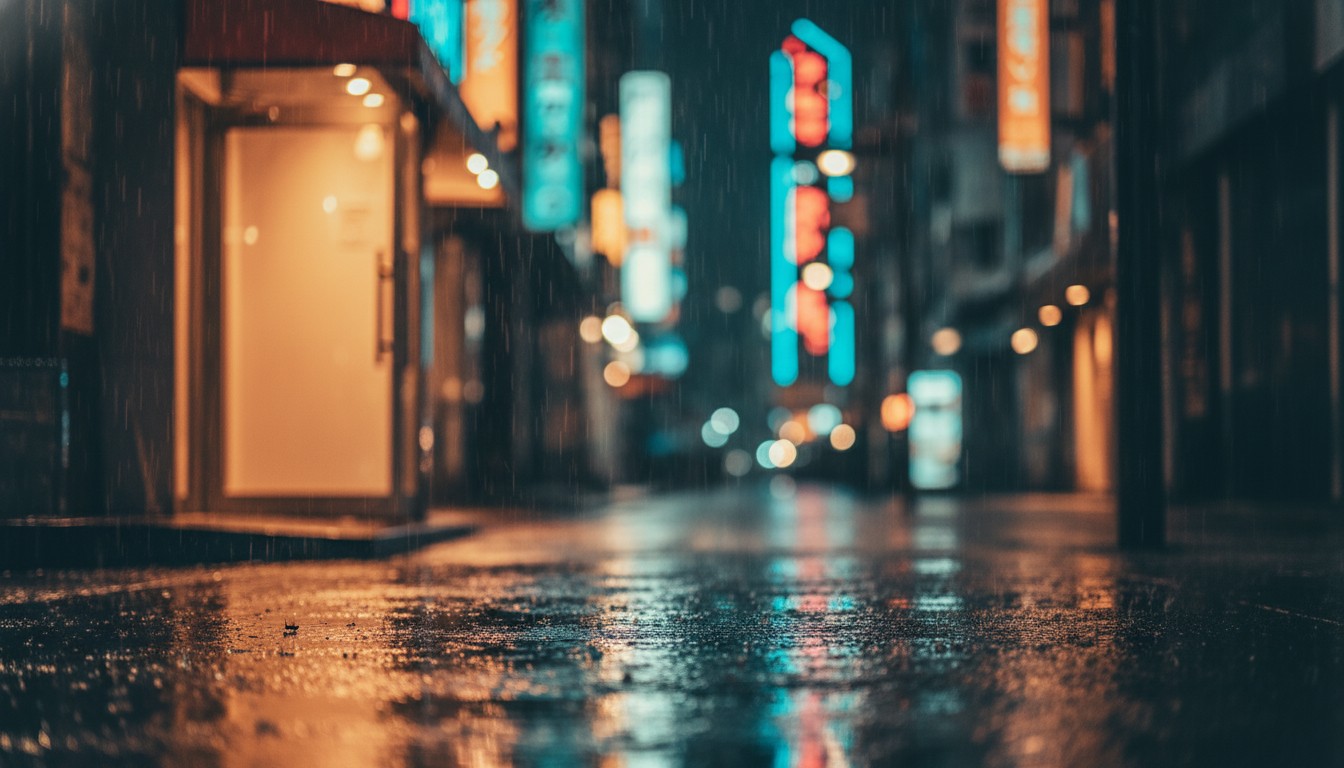
Tsuyu Season Tokyo — The Indoor Premium Nightlife Guide for International Visitors
Tokyo's rainy season — 梅雨 (tsuyu) in Japanese — opens in the Kantō region around early June and closes around mid-July. For most international travel writing, this is the "should I skip Tokyo in June?" window. For Shinjuku's premium nightlife, it is exactly the opposite: tsuyu is the quietest, most pleasant, easiest-to-book window of the year inside the seated lounge category.
This guide is for international visitors planning a Tokyo trip across the June–July rainy season window. We will explain what tsuyu actually feels like in Shinjuku night by night, why the rain shifts the right answer from outdoor / dance / street toward indoor / seated / conversation, and how to plan an evening that lands cleanly inside a premium lounge regardless of the forecast. If your dates are still flexible, June is a real value window for a quiet, well-paced Shinjuku night. If your dates are already booked into June or early July, this guide turns "ugh, rain" into "actually, perfect."
If you have not yet read the wider Shinjuku Nightlife Guide for International Visitors, that is the parent article and the right map of the whole district. This piece is the seasonal companion.
1. What tsuyu actually looks like in Shinjuku
For international visitors, "rainy season" sounds worse than it is. The Kantō tsuyu pattern is:
- Window: roughly Jun 7 (forecast entry, 2026) through mid-July.
- Daily rain: not constant. Most days are overcast with patchy rain. Steady all-day rain is the minority; many days have dry windows of several hours, especially evenings.
- Temperature: mild-warm. Daytime highs around 24–28°C, evenings 20–24°C. Humidity is the real story — air feels heavy and sticky.
- Crowds: noticeably lower across all Tokyo tourism categories vs. April, Golden Week, and high summer. International arrivals dip; Japanese domestic travel also dips. Hotel rates ease.
For Shinjuku specifically, tsuyu means: thinner street crowds in Kabukicho, easier-to-walk side streets, faster taxi response times, and — critically — much easier table availability inside premium lounges. The dance-floor clubs (ZEROTOKYO, WARP — see our 3 club types comparison) stay busy because their core audience is local. The premium seated category, which over-indexes on international demand, opens up significantly.
2. Why "indoor / seated" is the right answer in tsuyu
Tokyo nightlife splits, in any season, into roughly two product modes: outdoor / street / standing and indoor / seated / conversation. The first mode — bar-hopping in Golden Gai, izakaya street crawls, queuing for a Kabukicho rooftop view, walking between three clubs in one night — depends on the weather. The second mode — sitting at one well-chosen table inside a venue that controls its own room — does not.
In a tsuyu June, the outdoor product mode loses about half its appeal. Wet feet, shoulders, hair, and shoes from 8 pm to 1 am is a small price in good weather; it is not in 95% humidity. The indoor product mode, in contrast, gains: the place you sit down is dry, climate-controlled, quiet, and built for a long conversation. The longer you stay at one table, the lower the rain matters.
This is why the seasonal recommendation for international visitors during tsuyu is: build the night around one seated premium lounge set, then let everything else flex around the weather. If the rain stops for an hour, walk one block to a yakitori-ya. If it does not, you are already where you wanted to be.
3. What a tsuyu evening at LUXE Shinjuku looks like
LUXE Shinjuku sits in the premium private lounge category — seated tables, a dedicated hostess (女招待 / 佳麗 / jokyū) assigned to your table for a timed set, English and Chinese service inside the room, and pricing published in writing before you arrive. The role of the hostess and the cultural background of the category are explained in detail in the Hostess Culture Guide; the operational walkthrough of how a first visit unfolds is in the First Visit Walkthrough.
In tsuyu, the experience tightens in a small but pleasant way:
- Arrival: shorter walks from the station — Shinjuku-sanchōme and Shinjuku-Higashiguchi are both close. Bring a small folding umbrella; the venue will hand you a towel-style oshibori on seating.
- Room atmosphere: noticeably calmer than peak-season (April cherry-blossom weeks, Golden Week, late-July fireworks weeks). Fewer simultaneous tables, more attention per table.
- Pacing: 60- or 90-minute timed sets are easier to extend on the spot in June because the room is not turning tables back-to-back. If a conversation is going well, asking to extend is realistic.
- Booking lead time: same-week and even same-day bookings are often available in June, in contrast to Golden Week / December when 7–14 day lead time is sensible.
The booking page itself (LUXE Shinjuku booking) shows live availability. If you can pick a weekday night during the second or third week of June, you will see the difference vs. a Friday in late April immediately.
4. A tsuyu-friendly Shinjuku night plan
Use this as a template for any rainy June or early-July evening. Designed for international visitors who want one anchor table and minimum weather exposure.
18:30 — Light, indoor dinner near the station. Pick a restaurant inside a department store basement (depachika) or a building-internal yokocho — Lumine, NEWoMan, Shinjuku Mitsukoshi Alta, or any restaurant floor in a station-connected tower. Total walking in the rain: ~zero.
20:00 — Arrive at LUXE Shinjuku for your booked set. Standard arrival, passport in hand for first-time international visitors. Coat and umbrella checked. The first 20 minutes will set the rhythm of the night; the timed set is for you to enjoy at your pace, not to rush.
21:30 — End of set, or extend on the spot. In June it is normal for a guest to extend by another 60 minutes. The pricing page (transparent pricing) shows extension rates ahead of time so there is no surprise.
23:00 — One more indoor stop, or end the night. If you want to keep going, walk one or two blocks (umbrella up if needed) to a top-floor bar in a station-connected tower for a single drink and a Shinjuku skyline view. If the weather is heavy, end the night here — you have already had the part you came for.
Late-night: taxis in Shinjuku are quick to find even in heavy rain because of the high station-area density. If your hotel is in Shinjuku, 5–10 minutes door to door.
The whole shape of the night avoids two failure modes: walking 30+ minutes outdoors in a downpour, and queuing at a venue where the price will only be revealed after you sit down. Both are easy to walk into in Kabukicho in any season; the Muryo-Annaijo vs. Transparent Booking guide explains the second one in detail.
5. What to wear in tsuyu
Tsuyu evenings are warm but humid. Inside the lounge the room is climate-controlled and slightly cool. The practical pick:
- A lightweight smart-casual shirt or a thin merino layer. Avoid heavy wool.
- Trousers that survive a few raindrops; avoid suede or untreated leather shoes.
- A small folding umbrella, not a long one (you will check it on arrival).
- For women guests, a thin shawl or wrap inside the room is helpful — the lounge can run a degree cooler than the street.
LUXE's guide page covers dress codes in more depth.
6. The booking-window advantage
Across the year, table availability inside Shinjuku premium lounges follows a predictable rhythm:
- Late March – mid April: tight (cherry-blossom peak).
- Golden Week (late Apr – early May): tight.
- Mid May: easing (post-GW lull — covered in our Golden Week 2026 guide).
- June (tsuyu): open. This is the easiest booking window of the first half of the year.
- Mid-July: tightening again as tsuyu lifts and summer fireworks begin.
- August (Obon): variable.
- September – early October: re-opening window similar to June.
- December (end-of-year season): tightest of the year.
If you have flexibility on your Tokyo dates and you want a quiet, slow, well-paced premium lounge night, June is structurally the best month. The Dragon Boat Festival itinerary referenced in our Duanwu 3-Day Tokyo Nightlife Itinerary sits in early June and is built around exactly this thesis.
7. Tsuyu pairings: rain-resilient half-days that lead into a Shinjuku evening
International visitors often pair a daytime activity with a Shinjuku night. For tsuyu specifically, the daytime picks that survive rain best are:
- Museums and galleries in Roppongi or Ueno — easy, indoor, half-day depth. Mori Art Museum, National Art Center Tokyo, Ueno's cluster of museums.
- Department-store food floors and basement food halls — entire indoor afternoons of food-walking with zero rain exposure.
- TeamLab Planets or Borderless — indoor immersive art, very rain-friendly.
- Hydrangea (紫陽花 / ajisai) viewing on the right day — Kamakura, Hakone, or Bunkyō. June 6–14, 2026 is the Bunkyō Ajisai Festival window — a half-day there pairs naturally with a Shinjuku premium lounge evening. The hydrangea-day plus Shinjuku evening pairing is one of the most pleasant tsuyu uses of the city.
- An onsen day in Hakone with a Shinkansen return — out by 9 am, back in Shinjuku by 6 pm, a hot bath erases the humidity, a calm dinner sets up the evening.
The combination that comes up repeatedly in international visitor reports: Kamakura or Bunkyō hydrangea + LUXE Shinjuku evening is the single most photogenic tsuyu day-and-night pairing in the Kantō region.
8. Two trust signals to apply specifically in tsuyu
Rainy nights in Kabukicho are when the muryo-annaijo (無料案内所) street-tout pattern works best on tourists — a stranger with a clipboard, a smile, and a promise of a dry venue ten meters away. The summary version of the trust checklist:
Pricing is published before you arrive. If you cannot read the price of an evening on a public page (LUXE publishes its full structure on the pricing page) — walk away.
Bookings are taken directly. A premium lounge in Shinjuku takes bookings on its own site and at its own front desk. Anyone offering to "book LUXE for you" outside the official channel is not running the booking process LUXE actually uses; bookings happen on the LUXE Shinjuku booking page.
Both signals matter the most in bad weather, when the temptation to "just go into the closest place" is highest.
9. Common questions about tsuyu in Shinjuku
Is June a bad time to visit Tokyo? For outdoor-heavy itineraries (festivals, parks, day-hikes), it is mixed. For nightlife-anchored itineraries, especially premium seated venues, June is one of the best months.
Is rain going to ruin the evening? No, if the evening is anchored on an indoor table and the dining + venue + ending stop are all in station-connected buildings. The plan in Section 4 is designed exactly for this.
Will service inside the lounge be different in tsuyu? Yes — slightly fewer simultaneous tables means slightly more attention per table. Most guests notice it.
Should I bring rain shoes / waterproof everything? A folding umbrella + non-suede shoes is enough. Inside the lounge, none of it matters.
Do I need to book further ahead in tsuyu? No — lead times are actually shorter. Same-week and same-day bookings are realistic for most weekday nights in June.
For the rest of the typical international visitor questions, the FAQ page is the right next read.
10. How to book your tsuyu evening
If your trip falls inside the June – mid-July window, the simplest path:
- Pick a weekday evening (Tuesday – Thursday lands in the sweet spot).
- Read the pricing page and the how to play page so the timed set, drinks, and in-room rhythm are clear in advance.
- Book a table on the LUXE Shinjuku booking page. Note your guest count and the timed-set length you want.
- Bring a small folding umbrella and your passport.
- If you want a pairing day before the evening, the Kamakura / Bunkyō hydrangea pairing is the cleanest tsuyu match.
Then let the weather do what it will.
Closing
Tsuyu in Tokyo is not a window to skip — it is a window to redirect. The outdoor / street / dance mode of Tokyo nightlife loses some appeal in the rain. The indoor / seated / conversation mode of Tokyo nightlife — and Shinjuku premium lounges specifically — gains all the qualities international visitors actually want from a great evening: a calm room, attentive service, a slow rhythm, no weather pressure, an easier booking, and a night that lands exactly where it was planned to land. If you have a June or early-July date open, this is your window.
Related reading
- Shinjuku Nightlife Guide for International Visitors
- ZEROTOKYO vs WARP vs Premium Private Lounges — Shinjuku 3-Club-Type Comparison
- First Visit Walkthrough — A Minute-by-Minute Read
- Muryo-Annaijo vs. Transparent Booking
- Hostess Culture Guide for International Visitors
- Golden Week 2026 in Shinjuku — The Premium Nightlife Guide
- Dragon Boat Festival 2026 — 3-Day Tokyo Nightlife Itinerary