Tokyo Nightlife Safety Guide — How International Visitors Stay Safe in Shinjuku and Kabukicho
Tokyo Nightlife Safety Guide — How International Visitors Stay Safe in Shinjuku and Kabukicho
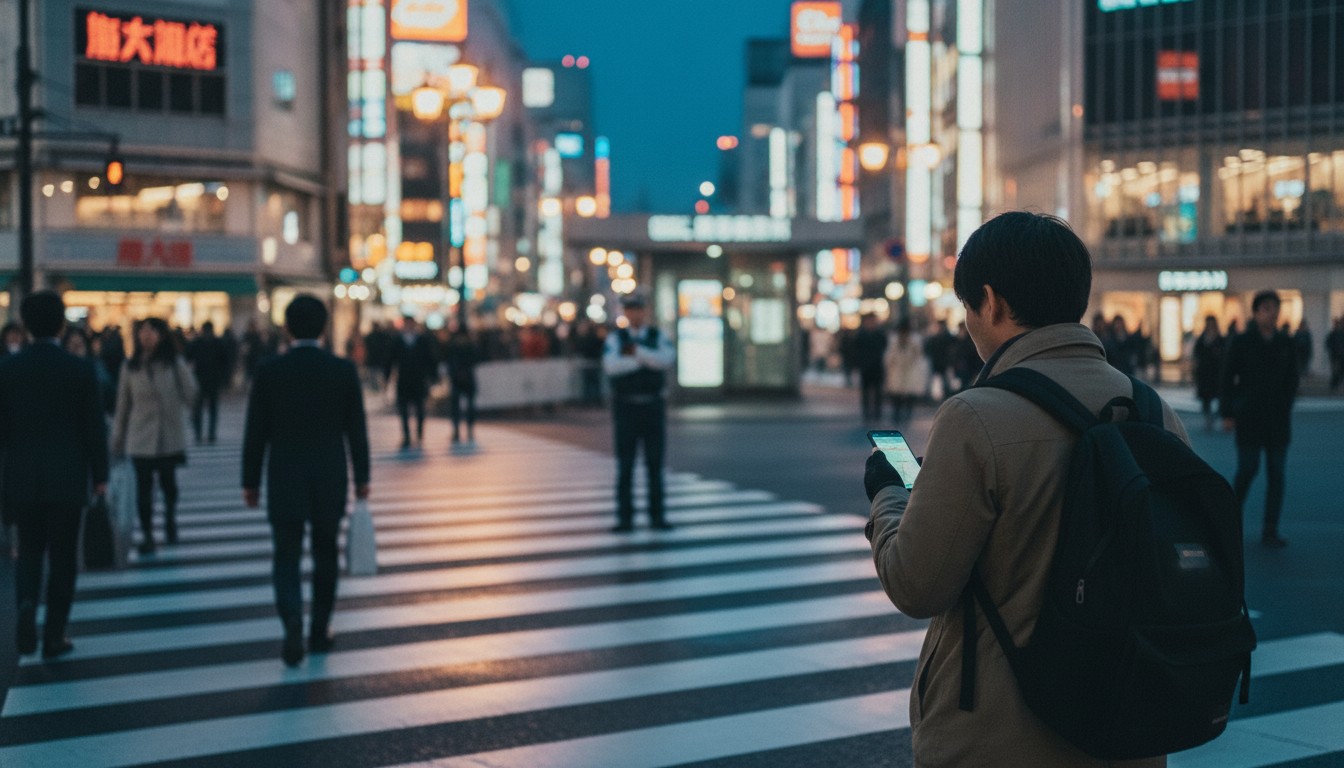
Let's start with the reassuring truth: Shinjuku is one of the safest major nightlife districts on the planet. Violent crime against tourists is rare, the streets are well-lit and busy until very late, and police boxes (koban) are everywhere. Millions of international visitors pass through Kabukicho every year without incident.
But "very safe" is not the same as "nothing to watch for." The few genuine risks in Shinjuku nightlife are specific, well-known, and almost entirely avoidable once you know what they look like. This guide is the practical version: the real scams, how to read a venue before you commit, what to do if something feels off, and how solo travellers — including first-timers — can enjoy the district with confidence.
First, the Reassurance — and the One Real Risk Category
The thing tourists worry about (getting mugged, physical danger) is statistically the thing you should worry about least in Shinjuku. The thing tourists rarely worry about — getting overcharged at an opaque venue — is the one real risk category that actually catches people.
In other words: the danger in Kabukicho is almost never your physical safety. It is your wallet, and specifically a small number of venues that operate on bill-after-the-night pricing. Understand that one category and you have neutralised the overwhelming majority of bad-night stories you have read online.
The Scam That Matters Most — Touts and Opaque Pricing
The single most common bad experience in Kabukicho follows a predictable script. A friendly person on the street — a tout, often working for or alongside a muryo-annaijo ("free information centre") — approaches you, speaks some English or Mandarin, and offers to walk you to a great bar or club. There is no published price. You go in, you have a few drinks, and the bill at the end is far larger than anything you agreed to, sometimes with charges you never heard mentioned.
This is not random street crime. It is a business model, and the entire model depends on the price being invisible until it is too late. We broke down exactly how it works, and the transparent alternative, in Muryo-Annaijo vs. Transparent Booking.
The defence is simple and almost foolproof: never follow a street tout, and never enter a venue whose price you cannot see in advance. If you cannot find the set price, the time blocks, and what is included before you sit down, that is your answer. A venue that wants your trust publishes its pricing where you can read it before you commit.
How to Read a Venue Before You Walk In
You can assess most Shinjuku venues from the sidewalk in about thirty seconds. Here is the checklist:
Is the price published? A trustworthy venue shows set prices, time blocks, and inclusions — ideally on a website you can read at home. "Ask inside" is a red flag.
Did you find it, or did it find you? A venue you chose from research is in a completely different category from one a tout pulled you into. Reverse the direction of the approach and most of the risk disappears.
Is there a broker or handoff in the middle? Direct booking with the venue itself is the cleanest model. If you are being routed by an English broker to "whichever club has space," you have less control over where you end up — we explained that layer in our 5-venue broker comparison.
Can you communicate? A venue with real Mandarin, Cantonese, or English support on the floor is one where you can ask questions, confirm the bill, and resolve any confusion in your own language. We covered what genuine language support looks like in our Chinese-language service guide.
Practical Safety Habits for the Night Itself
Beyond choosing the right venue, a handful of ordinary habits cover almost everything else:
Set a budget before you go out and carry a sensible amount of cash. Japan is increasingly card-friendly, but knowing your ceiling keeps the night relaxed. A transparent venue makes this easy because the price is known in advance.
Keep your own tab on your drinks. This is good practice anywhere in the world. Pace yourself, and you stay in control of your evening and your spending.
Trust the "something feels off" instinct. If a place is evasive about price, pressures you to come in quickly, or the vibe is wrong, you are allowed to simply walk away. You owe a street tout nothing.
Know where the koban is. Police boxes are scattered throughout Shinjuku and Kabukicho, staffed late, and used to helping lost or confused visitors. They are a genuine resource, not a last resort.
Keep your phone charged and your hotel address handy. Taxis are plentiful, safe, and metered. A charged phone with your map and a translation app removes most of the friction of a late night out.
If Something Goes Wrong
Even in a very safe district, it helps to know the steps. If a venue presents a bill wildly different from what was agreed, stay calm, do not escalate physically, and you are within your rights to dispute it and to involve the police. The nearest koban can mediate, and the mere willingness to involve them often resolves an inflated-bill dispute on the spot. Save your hotel's contact details and keep the address written down. For non-emergency tourist support, Japan has multilingual helplines, and your accommodation's front desk is a reliable first call.
The reason transparent, direct-booking venues matter so much for safety is that they make this entire scenario almost impossible to enter. When the price was published and you booked directly, there is no "surprise bill" to dispute in the first place.
Solo Travellers — Yes, You Can, and Here's How
One of the most common questions we see is some version of "is it safe to go to Kabukicho alone?" For the most part, yes — plenty of people enjoy Shinjuku nightlife solo. The keys are the same as above, with a little extra emphasis:
Book somewhere transparent and foreigner-ready in advance. Solo, you do not want to be making venue decisions on the street under pressure. Reserving a direct-booking venue with language support before you head out removes the single biggest solo-traveller risk. Our complete Shinjuku nightlife guide for international visitors is the best starting point for first-time solo planning.
Tell someone your rough plan. A quick message to a friend with where you are headed is a five-second habit that adds a real layer of comfort.
Pick a venue that fits a solo visit. A quiet, conversation-led, social evening is far more solo-friendly than a packed, high-energy club. If you are not sure what category a venue is, our explainer on premium entertainment culture in Tokyo is a calm primer.
Quick Safety Answers
Is Kabukicho dangerous? No — it is one of the safest major nightlife districts in the world for physical safety. The real risk is financial, and it lives almost entirely inside opaque, tout-driven venues. Avoid those and you have avoided the overwhelming majority of bad experiences.
Are the touts physically dangerous? Almost never. The risk they represent is a wallet risk, not a violence risk — the inflated bill, not an assault. The defence is simply to never follow them and never enter a venue without published pricing.
Is it safe for women travelling alone? Many women enjoy Shinjuku nightlife solo. The same playbook applies with a little extra emphasis: book a transparent, foreigner-ready venue in advance, choose a quieter conversation-led setting over a packed club, tell someone your plan, and keep your phone charged.
What if I don't speak Japanese and something goes wrong? Pick a venue with real Mandarin, Cantonese, or English support so you can resolve any issue in your own language on the spot — and know that the nearest koban is staffed late and used to helping visitors. A transparent, direct booking means there is rarely anything to resolve in the first place.
Closing — Safe Is the Default; You Just Stack the Odds
Shinjuku rewards a tiny bit of preparation enormously. The neighbourhood is safe by default; the few real risks live almost entirely inside opaque, tout-driven venues; and you neutralise nearly all of them with one decision — book a transparent, direct, foreigner-ready venue before you go out.
That is exactly what LUXE Shinjuku is built to be: published pricing, direct booking with no tout or broker, and Mandarin, Cantonese, and English on the floor — so the only thing left to plan is how you want to spend the evening.
Reserve a transparent, foreigner-ready evening at LUXE Shinjuku →
Useful Links
- LUXE booking (English)
- LUXE 预约 (Simplified Chinese)
- LUXE 預約 (Traditional Chinese)
- Transparent pricing
- How-to-play guide
- International visitor FAQ
- Complete Shinjuku nightlife guide for international visitors
- Muryo-annaijo vs. transparent booking
- Record inbound travel 2026 and foreigner-friendly Shinjuku nightlife