Kabukicho Lounge Guide: What 'Premium Lounge' Means in Shinjuku (2026)
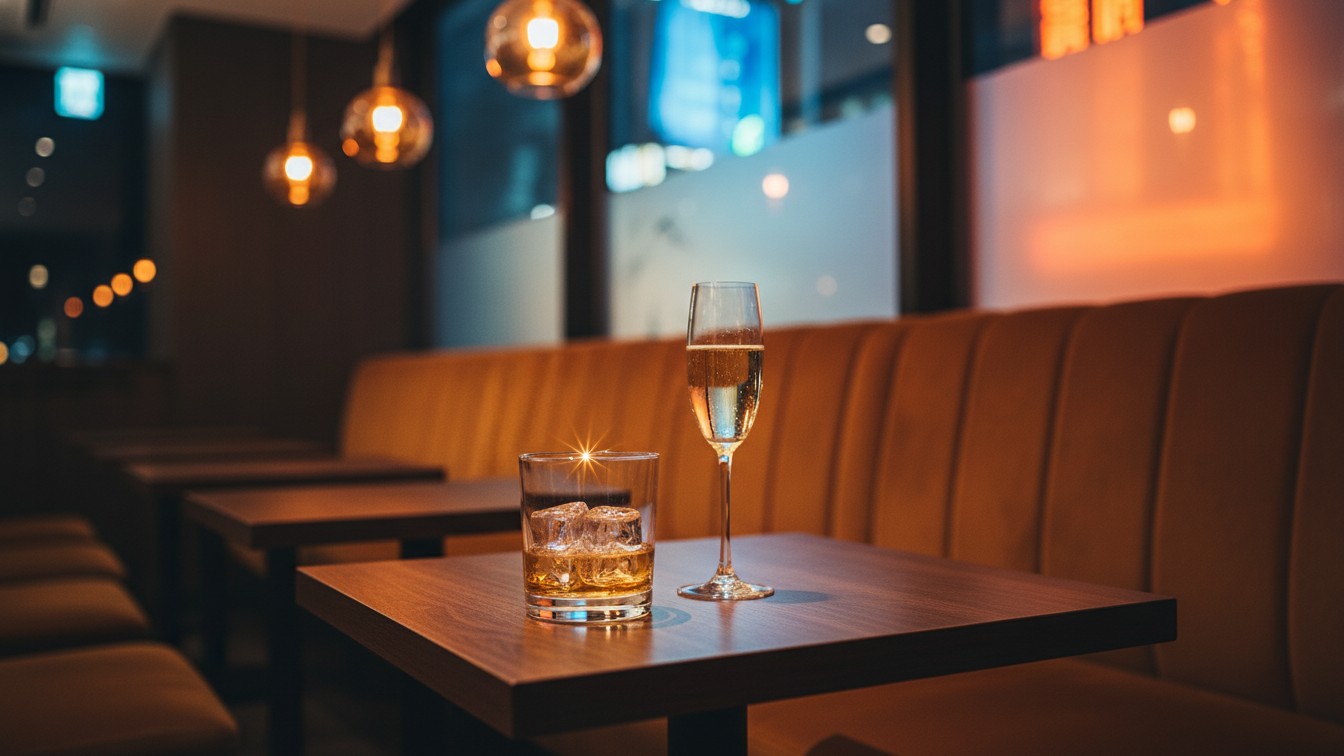
"Foreigner-friendly" is the most overused word in Kabukicho, and the least defined. Half the places that print it on an English sign are the same places a tout will steer you toward. So before you search "Kabukicho lounge" and walk into the first neon staircase that looks inviting, it's worth knowing what the phrase should actually mean — and what separates a lounge built for international guests from one that just wants your card.
What a "lounge" even is here
In Tokyo nightlife shorthand, a lounge sits a notch above a standard kyabakura: quieter room, warmer light, the cast spends the session talking with you rather than running a fast rotation. You're not paying for a show. You're paying for someone's time and attention across a set block of time, drinks included in the rate.
That last part matters more than anything else in this district. A real lounge tells you the number before you sit down, and that number is the whole number.
What "foreigner-friendly" should mean (and usually doesn't)
Here's the honest version. English-speaking hostesses are genuinely rare in Kabukicho. Cast who can hold a conversation in English are valued enough that venues pay more for them, which means most lounges simply don't have any — and a lone "English-speaking" staffer at the door does not make a place foreigner-friendly. The whole experience has to be built for someone who doesn't read Japanese.
Three things tell you it's real:
- The price is posted, in a language you read, before you commit. Shinjuku ward and the local business associations have pushed multilingual signage and pricing across the district precisely because bottakuri — overcharging scams — target tourists. A venue that won't show you the rate up front is telling you something.
- Nobody is recruiting for it on the street. This is the single best filter you have. More on touts below.
- It has a real, public review history. A foreigner-friendly lounge accumulates reviews from foreigners. Read the one-star ones first — that's where the scams confess.
The tout problem, plainly
The biggest risk in Kabukicho isn't violence. It's the bill. Bottakuri bars lure you in on a vague low promise, the posted price is missing or fuzzy, and the tab at the end is two or three times what you were told. Tokyo police have escalated their warnings as tourist numbers climbed, and a favourite 2024–25 trick is a tout posing as staff from a famous chain — "the Torikizoku round the corner is full, but our sister branch has the same menu." It's a lie, and the sister branch is the trap.
Touting is banned by local ordinance, so a place that openly recruits on the pavement is, almost by definition, the kind you avoid. The defence is one rule: only sit down somewhere you could read the price before you sat down. Everything else follows from that. (We unpack the cousin of this scam — the "free information centre" — in muryo annaijo vs transparent booking.)
What to expect at a proper one
- Doors from 7 PM. Licensed venues in this category close around 1 AM — that's the Fūeihō (Japan's entertainment-business law), not a lifestyle choice. Friday and Saturday after 9 fill up, so book ahead.
- Sessions are timed. A set runs in fixed blocks. Extending is a decision you make on purpose, not something "one more drink" does for you.
- Smart-casual. No suit needed. Shorts, sandals and a hiking backpack feel out of place.
- Get the exact address. These rooms are on upper floors of dense buildings with one small sign. A map pin beats a street search every time.
The area itself has calmed down a lot since Tokyu Kabukicho Tower opened in 2023 and pulled a mainstream crowd onto the main drag. The well-lit spine — around the Tower, past the Godzilla head on the Toho building — is fine. The risk lives in the narrow alleys and, above all, with whoever stops you on the street.
Where LUXE fits
LUXE isn't the only foreigner-friendly lounge in Kabukicho, but it's built for exactly the case above, so it's worth being specific about how.
The cast covers four languages — English, Japanese, Chinese, Korean — so you can book in your own language and actually talk to the person beside you. Pricing is all-inclusive and public: first visit is ¥7,000 on the Main Floor, ¥20,000 in the VIP Room; return rates are ¥13,000 and ¥27,000. The only optional extra is nominating a particular cast member (¥4,000). Tax and service are already in, and the number on the pricing page is the number on your bill. There are two rooms — the Main Floor and a private VIP Room — and that's the honest list, not a tiered upsell.
The Google rating sits at 4.8 across 310+ reviews, most of them from foreign first-timers, all public to read before you decide. Hours are 7 PM to 1 AM, daily, at 1-10-3 Kabukicho (160-0021), a short walk from Shinjuku Station's east side. And nobody on the street works for us — if someone "recommends LUXE" on the pavement, walk on, because we don't recruit that way.
If you've never done this kind of venue before, what is an oppai bar covers the format end to end. When you're ready, booking takes about a minute and locks the first-visit rate.
The first night is the only uncertain one. Pick a place where you can read the price and they explain things in your language, and there's very little left to go wrong.