Is Kabukicho Safe at Night? An Honest Guide for Foreigners
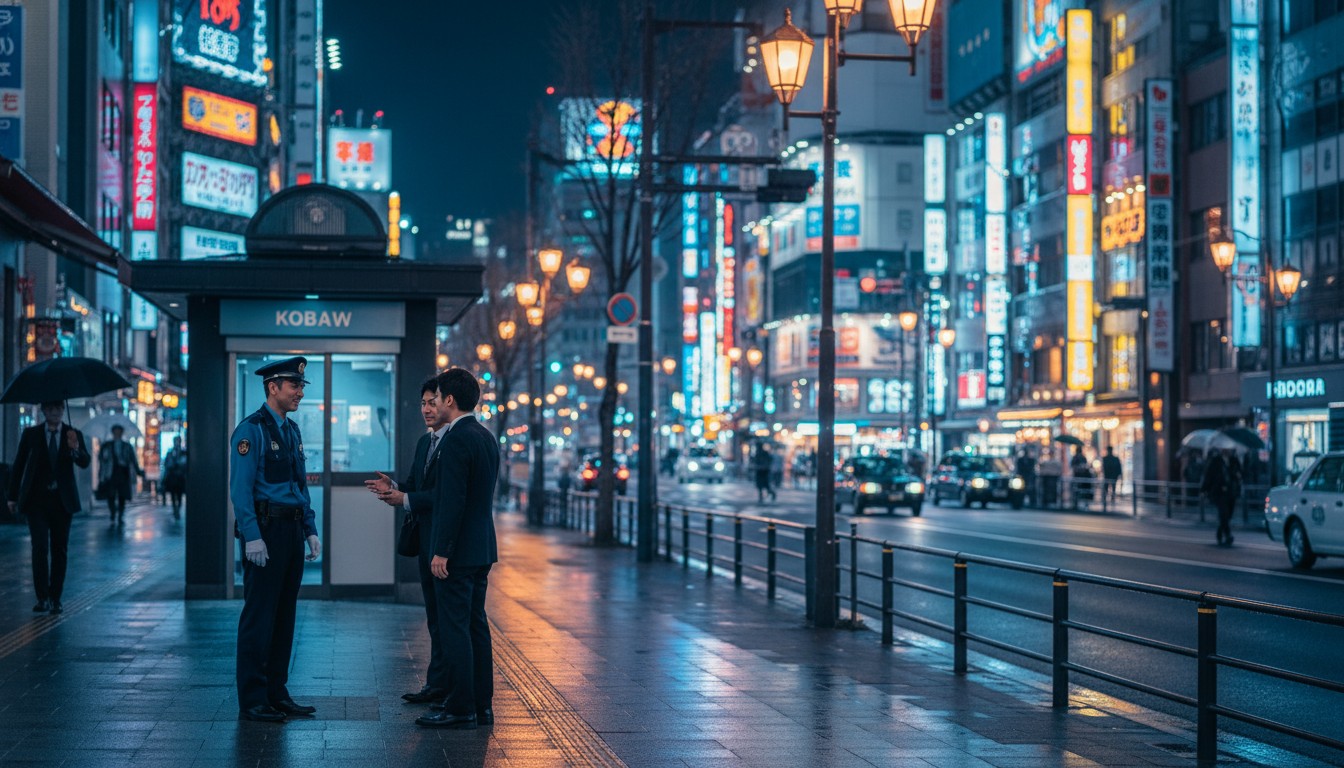
Short answer: yes, mostly. Kabukicho in 2026 is far calmer than its reputation, and for a foreign visitor who stays on the lit main streets and ignores the men trying to walk you somewhere, a night here is safer than the equivalent in most Western cities. The danger isn't getting mugged. It's a bar bill — the bottakuri scam, where a friendly tout walks you into a place and a four-minute drink turns into a ¥80,000 demand at the door. That's the thing to understand, and it's avoidable once you do.
What Kabukicho is now
It's the entertainment quarter packed behind Shinjuku Station's east exit — a dozen-odd blocks of restaurants, bars, hostess clubs, karaoke and cinemas, lit up all night. Since Tokyu Kabukicho Tower opened in April 2023, the main spine has gone noticeably more mainstream: daytime tourists, young couples, families wandering up to see the Godzilla head on the Toho building (Hotel Gracery). The crowd around the Tower and Godzilla Road is about as threatening as a shopping street.
The old Kabukicho hasn't vanished — it's just retreated into the narrow alleys off the main drag. That's where the line sits. Lit and busy: fine. Dark and empty: not worth it, not because something will happen, but because nobody's watching if it does.
You may also see the toyoko kids — marginalised teenagers who gather around the Toho building and Cinecity Square. They're a social problem the ward is still wrestling with, not a threat to you. Give them space and move on.
The real risk is the bill, not your safety
Violent crime against tourists is rare here. What actually catches people is money. A few forms:
- Bottakuri bars. A place advertises "no cover, no minimum," pours you a ¥3,000 drink, bills per head per hour, and produces a five-figure total at the end — often with a large man between you and the exit. Refuse and you may be held until you pay.
- Touts (キャッチ, catch). Mostly young men working commission. Friendly English, a low price quoted on the street, then a walk to a venue that honours none of it. A newer version starts on a dating app — someone arranges to "meet" and steers you to their bar.
- No visible pricing. Even some legitimate-looking places don't post rates. If you can't read the price before you sit, you haven't agreed to anything you can hold them to.
The rules that actually keep you safe
- Never follow a tout off the street. No place worth your money recruits on the pavement. The moment you walk with one, you've handed over the price.
- Only sit where you could read the price first. A posted menu at the door is the minimum signal of a real business.
- Read the 1-star Google reviews before you go in. That's where the scams confess. Skip the 5-star ones.
- Know the difference between "per 30 minutes" and "all-in." "¥5,000 per 30 min" is a meter, not a cap. "¥7,000 for 40 minutes, all included" is a total.
- Book online when you can — it locks the rate before you arrive.
- Stay on the lit main streets after midnight. The alleys aren't cursed, just unmonitored.
- Carry your hotel address in Japanese for the taxi. A hotel card does the job.
- Note where Kabukicho Kōban is — the police box by the south side, open 24/7, used to foreigners.
A note on the police, honestly
One thing the cheerful guides get wrong: if a bottakuri bar overcharges you, the koban often treats it as a civil dispute between you and a business, not a crime — which means they may not force a refund. The police are still very much worth calling: simply dialling 110, or visibly reaching for your phone, often makes a padded bill shrink fast, because the bar doesn't want the attention. But don't walk in assuming the law will claw your money back afterwards. Your real protection is never agreeing to an unclear price in the first place.
Solo women
Women walk Kabukicho alone every night without incident. Street harassment is genuinely low by international standards, and Japan's violent-crime rate is among the world's lowest. Two caveats: the bottakuri risk doesn't care about your gender — solo women get worked by touts just the same — and a handful of venues are men-only, so check the map before walking in. If you want somewhere clearly comfortable, look for visible female staff and posted, all-in pricing.
How LUXE sidesteps all of this
LUXE Shinjuku was built for exactly the problem this article is about. The pricing is all-inclusive and published: ¥7,000 first visit, ¥13,000 Main Floor, ¥27,000 VIP Room, charged once at the end with nothing hidden underneath. Nominating a specific cast is the one optional add (+¥4,000). Book online and the rate is locked before you arrive; walk in and it's the same number. Staff handle English, Japanese, Chinese and Korean, so the system gets explained in your language before you've agreed to anything. The Google rating sits at 4.8 across 310+ public reviews, most of them foreign first-timers.
And nobody on the street works for us. If someone "recommends LUXE" while steering you down an alley, they don't — please just come directly. We open 7PM–1AM at 1-10-3 Kabukicho, a short walk from the station's east exit.
If something feels off, leave
Trust the feeling. Price not shown, drinks arriving faster than you ordered, the number climbing — stand up and walk out. You can. If you're stuck or being pressured, head to Kabukicho Kōban by the south entrance and say it plainly: "Bottakuri. I'm being threatened." The officers handle foreign cases constantly.
New to all this? What is an oppai bar? explains the venue type and how the billing works, and the muryō annaijo vs transparent booking guide covers why those "free guide" stands on the street are part of the same trap. The first night is the only uncertain one. Pick a place where you can read the price, and there's very little left to go wrong.