What a Sekukyaba / Oppai Bar Evening Is Actually Like — An Honest Shinjuku Experience for Chinese-Speaking Visitors
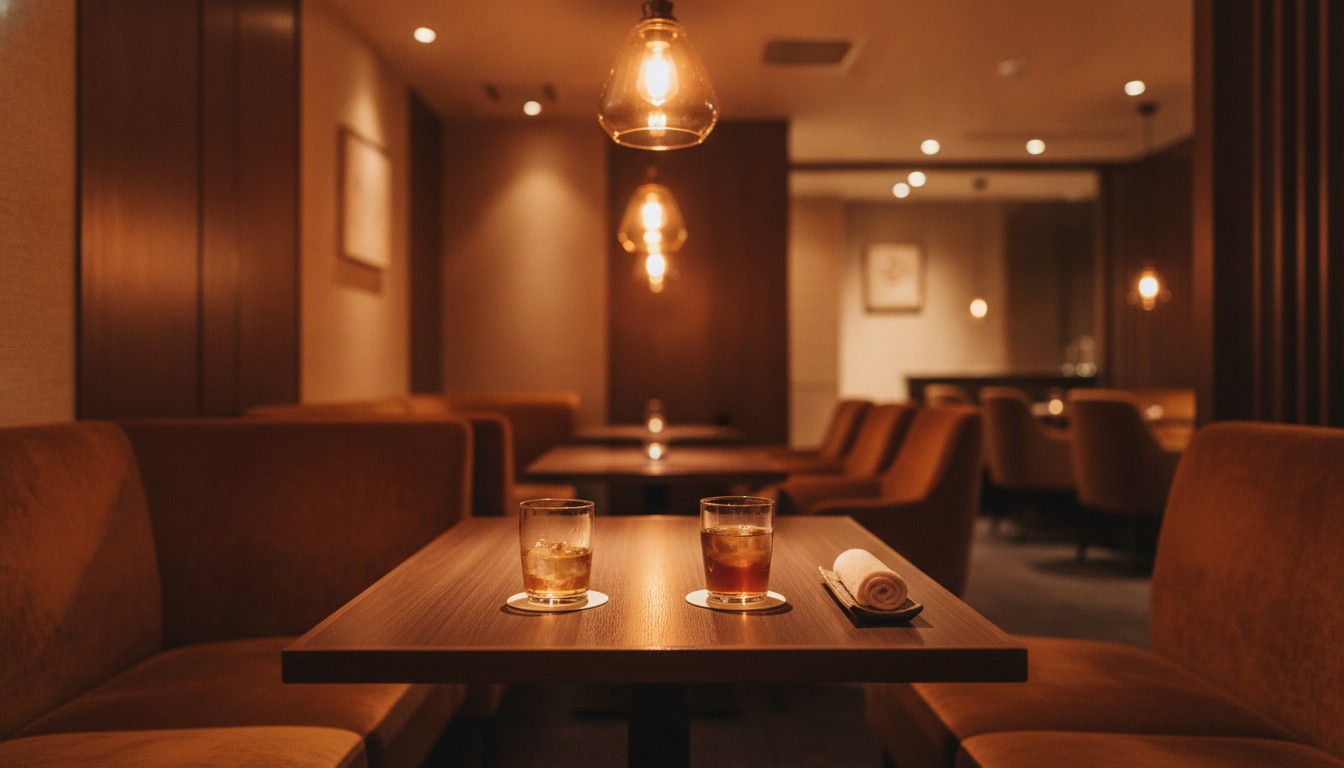
What a Sekukyaba / Oppai Bar Evening Is Actually Like — An Honest Shinjuku Experience for Chinese-Speaking Visitors
If you have spent any time searching Chinese-language forums for "sekukyaba," "oppai bar," or "Shinjuku premium nightlife with Chinese service," you have probably noticed the same problem I did: plenty of listings, plenty of category definitions, and almost nothing that tells you what the evening actually feels like once you sit down.
So this is that missing piece. It is not a directory and it is not a glossary — it is an honest, first-person account of a sekukyaba / oppai bar experience in Shinjuku, written specifically for a Chinese-speaking visitor who wants to enjoy the night without guessing, overpaying, or worrying about the language.
If you want the practical planning layer first, read it alongside our Shinjuku nightlife guide for foreigners. This article is about the feeling.
First, a quick reset on what these categories mean
Before the story, one clarification that saves a lot of confusion. In Japan, "sekukyaba" and "oppai bar" are simply category names for styles of premium hostess entertainment — a seat, a drink, and conversation with a hostess in a relaxed lounge setting. They sit on the more playful, friendly end of the nightlife spectrum, but the core of the evening is the same thing every good venue offers: hospitality, conversation, and a comfortable social experience.
We cover the definitions in detail in What Is an Oppai Bar?, so I will not repeat them here. The single most useful thing I learned is this: the category label tells you the style, but it tells you almost nothing about the quality of your night. That is decided by which venue you walk into — transparent or not, foreigner-ready or not. Keep that in mind as the evening unfolds.
8:00 PM — Standing in Kabukicho, deciding not to gamble
Kabukicho at night is louder and brighter than the photos suggest. Neon stacked ten floors high, touts working the sidewalk, a restless energy that never quite settles. As a first-timer — and especially as someone whose Japanese stops at "arigatou" — the honest feeling is a mix of excitement and a small knot of "what am I actually walking into?"
Here is the decision that shaped my whole night, and I made it before I left the hotel: I did not walk in cold. I had a confirmed, transparently priced reservation on my phone. That one fact let me walk straight past every person waving a laminated menu at me — and in Kabukicho, there are many. I was not shopping. I was keeping an appointment.
If you remember only one line from this Shinjuku nightlife experience, remember that one. The street touts and the "free guide" stands are exactly what you route around — and we explain why in Muryo-Annaijo vs. Transparent Booking.
8:15 PM — Finding the building, going up
The address led me to an ordinary-looking building just off the main strip. One elevator, one floor number, one quiet corridor. That is normal — Shinjuku's premium venues almost always sit upstairs rather than at street level, and that is a good signal, not a worrying one. The street-level, grab-your-arm operations are precisely the ones you avoid.
I rang, gave the name on the reservation, and the door opened. The switch from the chaos of the street to the calm of the room was instant, and I felt my shoulders drop.
8:20 PM — The moment the language worry disappeared
This is the part Chinese-speaking visitors ask about most, so let me be concrete. Within about ninety seconds of sitting down, my three quiet anxieties were resolved before I had to raise any of them.
The price was reconfirmed to my face, identical to what I booked. The format for the evening — roughly how long, what was included, how drinks worked — was explained simply. And the language question I had been dreading simply evaporated, because staff switched comfortably into Mandarin, with Cantonese also available.
That last point deserves emphasis, because it is exactly the gap that sends people searching for sekukyaba with Chinese service in the first place. At a genuinely foreigner-ready venue, you are not translating your way through the night on a phone app. You are relaxing into a conversation in your own language. If Chinese-language support is your main concern, our dedicated Chinese-speaking nightlife guide goes deeper on how it works.
8:30 PM — What the social experience is actually like
Most guides get vague right here, so let me stay concrete. A Shinjuku premium venue is, at its heart, a refined social experience. You sit down, you are introduced to a hostess, and you talk. That is the core loop: conversation, a drink, being genuinely looked after, and a bit of easy back-and-forth.
The skill of a good hostess is real and badly underrated. A great one can carry a warm, funny, actually-engaging conversation across a language gap, read whether you want lively energy or a quiet chat, and make you feel like the most interesting person in the room. We talked for a long time — the differences between Tokyo and my hometown, Japanese snacks I had never heard of, the kind of laughing that makes an hour vanish. It felt like being hosted by someone who is very good at putting a stranger at ease, not like a transaction.
If you have been searching for a Tokyo premium social experience, the honest description is: high-standard hospitality, sparkling conversation, and an atmosphere engineered entirely around your comfort. There is nothing more complicated than that, and it does not need to be.
9:00 PM — How drinks and time actually work
By my second drink I had stopped watching the clock, which is rather the point. But so you know the mechanics: most premium venues run on a set-time model. You book a block — usually the first hour or two — with drinks included within the package's terms, and you can extend if you are enjoying yourself.
Because I booked through a transparent venue, there was no grey zone. The package I reserved was the package I got, and any extension was quoted clearly and up front before I nodded yes. No mystery "service charges" appeared at the end. This is the whole reason transparent pricing matters more than the category on the sign — and you can see exactly how it is laid out on the pricing page.
10:30 PM — Leaving relaxed, not relieved
The bill matched the plan. I settled up, the staff walked me out warmly, and I stepped back onto the same loud street — except now it felt like a place I understood rather than one that was slightly working against me. That difference is the entire value of doing it right: you leave relaxed, not merely relieved that nothing went wrong.
Why the venue matters more than the category
Here is the thing I most want a Chinese-speaking first-timer to take away. You can search "sekukyaba," "oppai bar," or any other category term for hours, but the label is not what makes or breaks the night. Two venues wearing the same category name can deliver wildly different evenings.
What actually determines your experience is a short, boring checklist: transparent pricing you can see before you book, genuine Chinese-language support, an upstairs location you reach by a confirmed reservation rather than a street tout, and a clear set-time format. Get those four right and the category name becomes a footnote. Our how-an-evening-works page breaks down the format step by step, and the FAQ answers the questions Chinese-speaking guests ask most.
A few honest practicalities
A couple of things worth knowing before you go. Solo visits are completely normal — the format is built to make a single guest comfortable, so you do not need a group. Budget-wise, transparent venues typically start around ¥7,000 for a set first-hour package, with the total depending on how long you stay and what you drink; you always see the full price before you commit. And you do not need any Japanese: a foreigner-ready venue handles English, Mandarin, and Cantonese as a matter of course.
Frequently asked questions
Is a sekukyaba / oppai bar evening suitable for someone who only speaks Chinese? Yes, at a foreigner-ready venue. Mandarin is comfortably supported and Cantonese is widely available, so the whole evening happens in your own language rather than through a translation app.
How much does an evening cost? Transparent venues generally start around ¥7,000 for a set first-hour package. The total depends on duration and drinks, but the key point is that you see the full, itemized price before you book — check the pricing page for the current breakdown.
Is it safe to go alone as a foreigner? Yes, when you book ahead and go directly to a transparent, upstairs venue. Solo visits are common and the format is designed around a single guest. The real risk in Kabukicho comes from street touts and unpriced walk-ins, not from going alone.
Is the category name the most important thing to get right? No. The category tells you the style; the venue decides the quality. Prioritize transparent pricing, Chinese-language support, and a confirmed reservation over the label on the sign.
Ready to experience it for yourself?
The best decision you can make happens before you leave your hotel: arrive with a confirmed, transparently priced reservation and a venue that speaks your language.
Reserve your evening at LUXE Shinjuku →
Explore more before you go:
- Transparent pricing
- How an evening works
- What is an oppai bar?
- The Chinese-speaking nightlife guide
- How to spot Kabukicho scams
- FAQ for international visitors
The category name is only a starting point. Choose the venue well, and a Shinjuku evening becomes one of the warmest, easiest nights of your whole trip.