Tokyo Nightlife Pricing Explained — A Foreigner's Guide by Venue Type
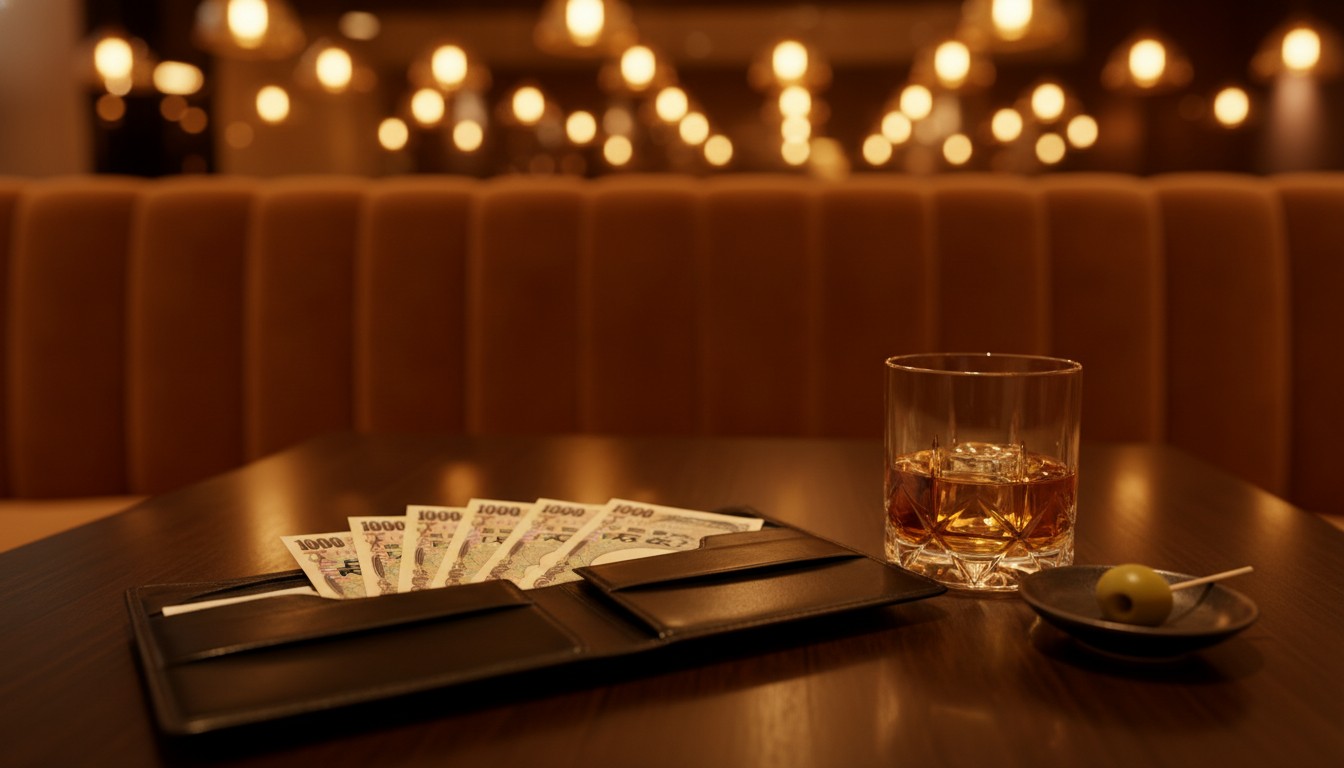
The price on the door of a Kabukicho venue is almost never the price you pay. That gap — between the number that lured you in and the number on the bill — is the whole story of nightlife pricing in Tokyo, and it's where foreign visitors lose the most money. So let's do the unglamorous thing and talk about what these places actually cost, venue type by venue type, what's included and what gets bolted on at the end, and how to read a price card before you've committed to anything.
One honest disclaimer up front: the only numbers I'll vouch for completely are LUXE's, because they're ours and they're published. Everything else here is market range — what the category typically runs in Kabukicho as of 2024–2026. Use it as a sanity check, not a quote.
Start with the billing model, not the number
The single most useful habit is to stop asking "how much" and start asking "how is this billed". A headline price tells you almost nothing until you know what it buys. There are really only four models in this district.
All-inclusive, time-based. One posted rate covers the seat, the rotation, the drinks, the tax and the service. What you see is what you pay. This is what LUXE does and it's the rare one — most venues don't bill this way.
Per-set plus extras. The most common model by far. The headline number buys the seat for a fixed block of time. Drinks — yours and the cast member's — land separately, service charge gets added (usually 10–25%), then 10% consumption tax goes on top of all of it. The headline is the floor, not the ceiling.
Bottle-keep. More of a Ginza-club or snack-bar thing. You buy a bottle that lives on a shelf with your name on it, plus seat and nomination charges. A long game for regulars, a trap for tourists who'll never come back to finish the bottle.
The bottakuri (ぼったくり) trap. Not a model so much as a crime. A low promise gets you in the door; the bill at the end is several times what you were told. More on this below, because the 2024–25 version is cleverer than the old shouting-touts cliché.
What each venue type actually costs
Here's the landscape, roughly, for one foreign guest on a normal night. Read these as market ranges for the category, not as anyone's posted menu.
| Venue type | Typical billing | Rough all-in for one guest |
|---|---|---|
| Girls bar | ~¥2,000–¥2,800/hr seat + drinks ¥900–¥2,000 each | ¥5,000–¥10,000 for a casual hour |
| Kyabakura (hostess club) | ¥5,000–¥8,000/set mid, up to ¥20,000 premium + drinks + service + tax | ¥15,000–¥45,000 for two hours |
| Snack bar | From ~¥9,000, often bottle-keep + charge | Wildly variable; ask first |
| Host club | ¥5,000–¥15,000 first-visit set + nomination | Low to start, steep if you stay |
| Oppai bar / sekukyaba — per-drink | ¥5,000-ish set, drinks billed separately | ¥20,000–¥40,000 once drinks stack up |
| Oppai bar / sekukyaba — all-inclusive (LUXE) | One published rate, everything in | See below — fixed, no surprises |
The kyabakura line is the one to internalise, because it's the format foreigners most often mean when they say "I want to go to a hostess club". A mid-range Kabukicho set runs ¥5,000–¥8,000 an hour before anything else; published venue rates in the area sit around ¥10,800–¥14,850 an hour tax-in once service is folded in. Add your drinks, add the cast member's drinks (yes, you pay for hers), add nomination if you want a specific person, and a relaxed two hours for one guest realistically lands ¥25,000–¥45,000. Premium clubs go well past that. None of that is a scam — it's just the model. The mistake is walking in thinking the ¥5,000 was the whole evening.
Where LUXE sits
We run as an all-inclusive oppai bar, which means the published rate is the rate on your bill. Tax, service and premium drinks are already inside the number.
- First visit, Main Floor: ¥7,000 for a 40-minute set (online booking).
- First visit, VIP Room: ¥20,000 for the same 40 minutes, in a private room.
- Return visit, Main Floor: ¥13,000. Return visit, VIP Room: ¥27,000.
- Nomination: +¥4,000 per cast per set, if you want a particular person. Entirely optional.
- Extensions run at the same per-set rate. The only other thing you can spend money on is buying a cast member a drink (optional, ¥3,000–¥10,000, nobody expects it).
That's the entire menu. There's no per-glass charge, no service line that appears at the end, no hidden middle tier — just Main Floor or VIP Room, first visit or return, and that's it. The first-visit rate is online-booking only and isn't open to every nationality, but for most foreign first-timers it's the lowest-friction way to see the format without doing pricing maths in your head. Every figure lives on the pricing page in five languages.
The bottakuri trap has gone quiet — and it's worse
The old picture of a Kabukicho scam is a tout shouting on a corner. That still happens, but the 2024–25 version is smoother and more expensive. Police logged around ¥140 million in reported damage to late 2024 from a newer pattern: you match with a "woman" on a dating app, she suggests a drink, and the friendly person who meets you is a member of staff steering you into a specific bar. There's no aggression. There's even a polite price explanation. Then "¥5,000 free-flow" quietly becomes ¥3,000-a-shot games and penalty rounds, and the bill at checkout has run from roughly ¥109,000 to ¥330,000. Average reported claims have climbed near ¥720,000 a case. The smoothness is the point — it's designed to skirt the Tokyo anti-tout ordinance, and it works on people who'd never have followed a shouting tout.
The defence hasn't changed, though. Only sit down somewhere you could read the price before you sat down. If the number wanders, if "it depends" enters the conversation, if a stranger from an app is choosing the venue — you leave. Everything else is detail.
How to read a price card before you sit
Four questions, asked out loud at the door, before you've taken a seat:
What's the set price, and how long is a set? Are drinks included or billed per glass? Is there a service charge and tax on top, and what does that come to? And is there a nomination fee if I want to sit with a particular person? A venue that answers all four cleanly is a venue you can trust. A venue that gets vague on any of them is telling you something — listen to it.
At an all-inclusive place the four answers collapse into one number, which is the entire appeal. At a per-set place they don't, and that's fine, as long as you do the addition before you sit, not after.
A few first-night habits worth keeping
Don't follow anyone off the street, and don't follow anyone off an app — the venue at the other end is paying a commission your bill will quietly cover, or worse. Read the one-star Google reviews before you walk in; that's where the scams confess. Book online where you can, to lock the rate. Carry a card and some cash, because plenty of honest places are still cash-only and a mid-session ATM run kills the mood. And know roughly where the Kabukicho kōban (police box, south side) is — the officers there handle foreigner cases all the time.
If you want the format itself explained properly before you think about price, what is an oppai bar? is the long version. When the numbers make sense and you'd rather lock one in, a booking takes about a minute. The first night is the only one that feels uncertain; pick a place where the price is the price, and there's very little left to go wrong.