One Free Evening in Tokyo on a Business Trip — How to Plan a Calm, Pre-Booked Night in Shinjuku
The one-evening problem
Most business trips to Tokyo follow the same pattern. The days are full of meetings, the dinner with the client is already fixed, and somewhere in the middle there is a single evening with nothing on the calendar. You are tired, the city is enormous, and the usual result is one of two outcomes: you eat at the hotel and go to bed, or you wander out at ten o'clock without a plan and end up following whoever speaks to you first.
Neither is a bad night, exactly, but both are decisions made at the worst possible moment. This guide is about the third option: treating that one free evening like any other item on your schedule. You choose the night, you book it, you know the total before you leave the hotel, and you arrive with enough energy to enjoy it. What follows is a realistic walk-through of how that tends to go for a man travelling alone, based on the questions first-time visitors ask us most often.
Decide before you land, not after the last meeting
The easiest time to plan the evening is on the plane or the night before you fly, when you still have a clear head. The hardest time is at 9:30 p.m. on the day, after a long meeting and a heavy lunch.
Pick the evening that is least likely to be disrupted. A good rule is to avoid the night before an early flight, the night before a major presentation, and the evening of a client dinner that might overrun. Mid-week evenings are generally calmer than Friday and Saturday, which also makes the whole thing less rushed; our calm weeknight planning guide shows how a quieter evening tends to work.
Then keep a plan B. Meetings run long. If the evening has to move by a day, a booking you made online can usually be adjusted far more easily than a plan that only exists in your head.
Where to stay, and the last-train question
If you can choose, stay in Shinjuku or one stop away. Shinjuku Station connects to nearly every line a business traveller needs, and a hotel within walking distance of Kabukicho removes the biggest practical worry of a late evening: how to get back.
Even so, it is worth thinking about the return trip in advance. Late-autumn nights are cold, taxis are busier on rainy evenings and the last trains leave earlier than many visitors expect. Our late-autumn last train and taxi guide covers the details, so you can set a rough finishing time and stick to it.
Book it the way you would book a meeting
This is the part that changes the evening most. When you reserve online, three things happen that do not happen when you simply walk in.
First, you know the price before you go. Our pricing page lists the first-visit set at ¥7,000 for 40 minutes, with the Main Floor at ¥13,000 and the VIP option at ¥27,000. Nomination, if you choose it, is ¥4,000, and drinks for a hostess start from ¥3,000. There is no need to calculate anything on the night.
Second, you have a confirmed time. Evenings are open from 19:00 to 01:00, and weekends fill first. A booked slot means you are not standing outside deciding.
Third, you stay out of negotiation. A business traveller's time is limited, and the last thing you want is a bargaining conversation on a pavement. If you have never used the service before, the first-time guide and the how it works page explain the format in plain terms before you decide.
When you are ready, you can reserve online here.
What the evening usually looks like
Every night is a little different, but a first visit tends to follow a simple rhythm.
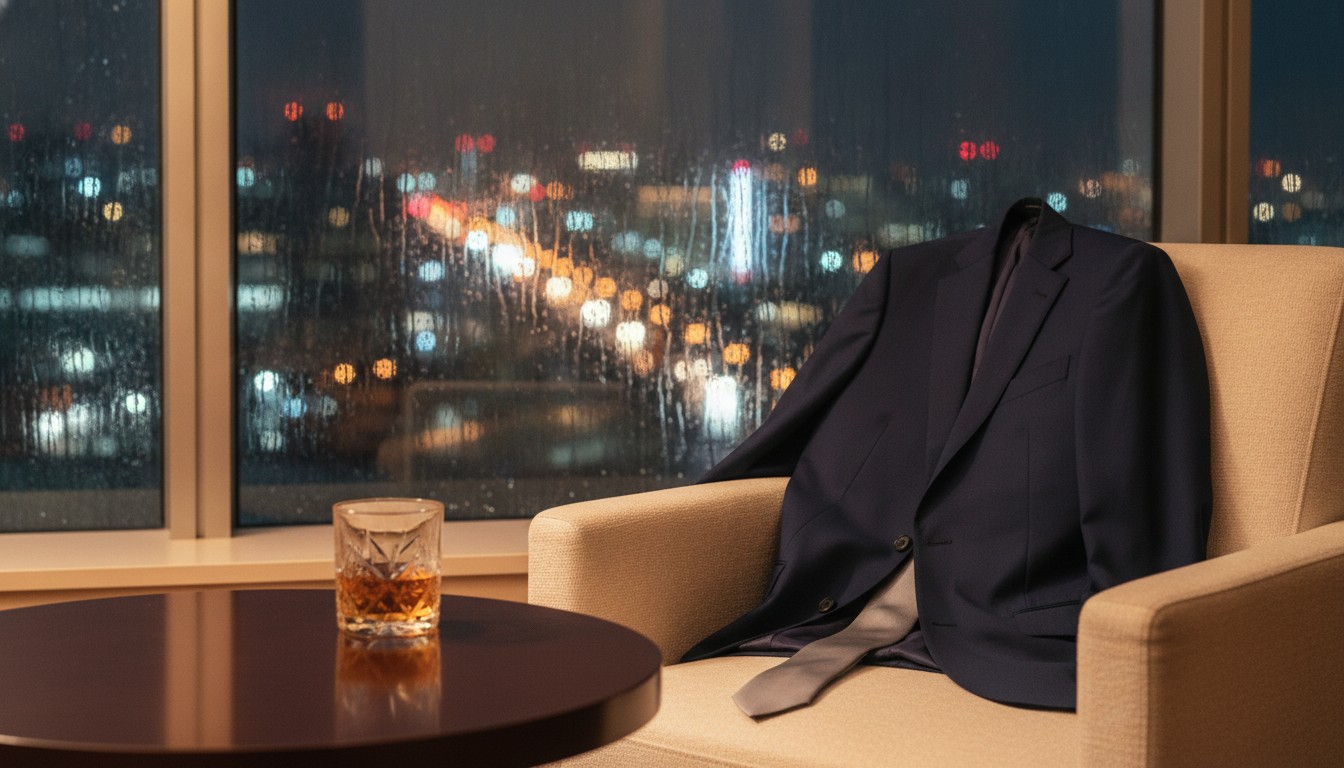
Late afternoon. Finish the day, go back to the hotel, and change out of the suit. This small step does more than it sounds like; it marks the shift from work to personal time.
About an hour before your slot. Leave the hotel with a margin. If you want a step-by-step description of the walk from the station, see our walking guide from Shinjuku Station to Kabukicho. Save the address and floor on your phone before you leave: G3 Building, 4th floor, 1-10-3 Kabukicho.
On the street. Kabukicho is busy, and people may approach you offering something. You are under no obligation to answer. If you have booked, you already know where you are going, and the 30-second price check guide is a useful read beforehand.
The first 40 minutes. This is the whole first-visit set. The aim is a relaxed conversation with a hostess, a drink and a chance to see whether the format suits you. Nobody expects you to decide anything in the first minutes.
The decision point. Near the end of the set you can choose to extend or to leave. Because you have already seen the prices, this is a calm decision rather than a pressured one. Many first-time guests simply finish the set, and that is perfectly normal.
The walk back. Head back at the time you set earlier. The point of a planned evening is that it ends on your schedule.
Keeping the budget under control
For a short business trip, the sensible approach is to decide a figure in advance. Take the ¥7,000 first-visit set as the baseline, add a margin for a drink or an extension if you think you might want one, and treat anything beyond that as an active choice rather than a drift. Most employers would not expect to reimburse an evening like this, so keep it separate from your expense report and pay in a way you are comfortable with.
If you want to understand why the pricing is structured as it is, our guide to how set, nomination and extension pricing works explains the logic without jargon.
Why a planned evening feels different
There is a quiet difference between an evening you chose and one that simply happened to you. When you have booked, you spend the afternoon looking forward to something specific rather than wondering what to do with yourself, and you arrive relaxed instead of defensive. That mood is most of what makes a short trip feel like a good one. It also means you are less likely to overspend out of impatience or tiredness, because every number was on the table before you set out.
A few practical notes for the solo traveller
- Go on your own terms. Travelling alone is normal; many of our guests are on their own, and no one will expect a group.
- Eat first, lightly. Arriving hungry or over-full after a client dinner makes the evening less enjoyable.
- Be courteous. Japanese hospitality works best when it is mutual. Polite, calm behaviour is always appreciated, and our etiquette guide covers the basics.
- Keep the phone handy. Have your booking confirmation and the address saved offline.
- Check what applies to you. Guests must be of legal age, and the venue's own rules apply on the night.
Frequently asked questions
Is it normal to go alone on a business trip?
Yes. A large share of first-time guests are travelling alone, often for work. A pre-booked slot makes it simple.
How far ahead should I book?
As soon as you know your free evening. Weekend evenings fill first, and booking early gives you the most choice of time.
What if my meeting overruns?
Plan a buffer around your slot and, if you can, choose an evening without a client dinner. If the plan changes, contact the venue as early as possible.
Do I need to speak Japanese?
No. Booking is online and the FAQ answers the questions first-time visitors raise most.
Will I know the total in advance?
You will see the price structure before you book. Extensions and nominations are optional and stated up front.
Make your one free evening count
You travelled a long way for work. One evening of your own is worth planning properly. Read the first-time guide, check the prices and reserve your evening online. If you would like to know who we are first, the about page is a good place to start.
Opening hours, availability and prices may change; please confirm when you book. Guests must be of legal age. Travel times and train schedules vary; check live information before you go.