Last Train, Cold Air, Late Check-In — A Practical Guide to Ending a Shinjuku Evening in Late Autumn and Winter (2026)
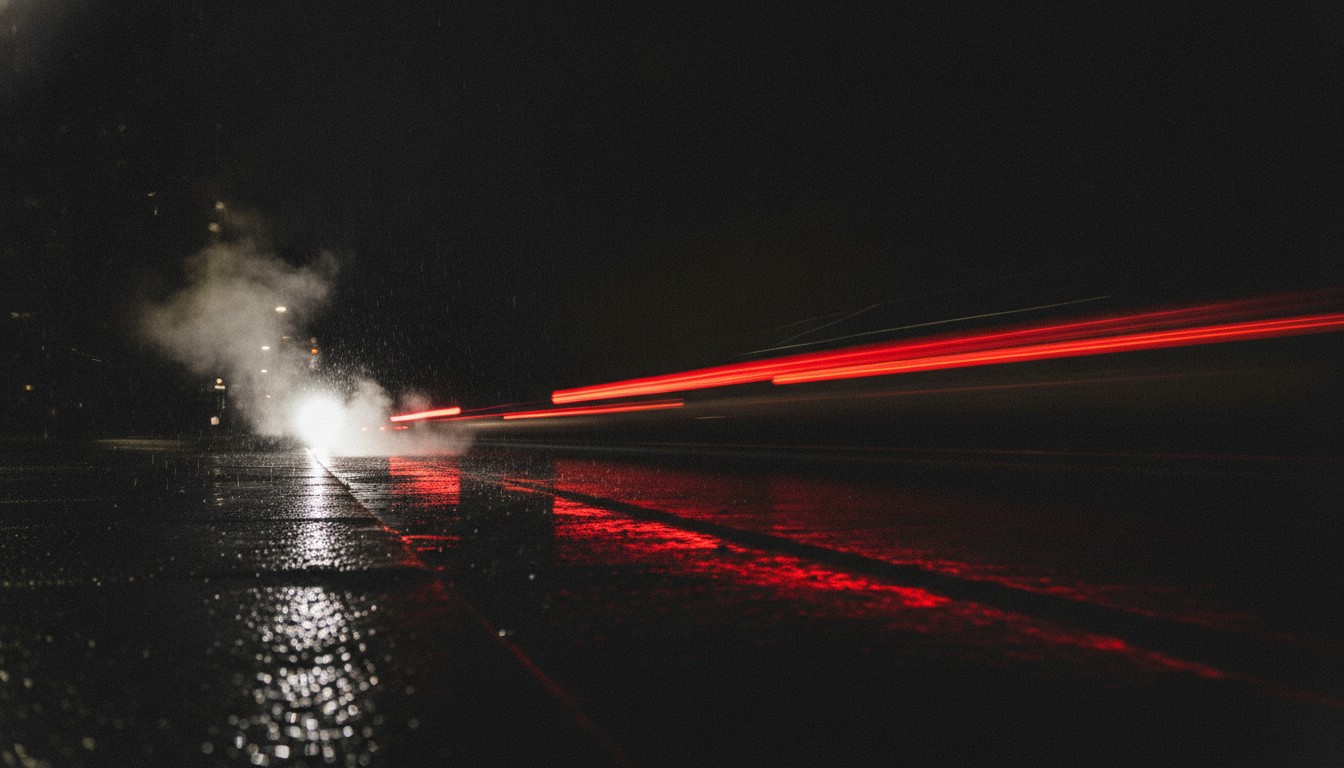
The part of the evening nobody plans
Most visitors plan the evening carefully: which night, which venue, how long, what it costs. Almost nobody plans the last 45 minutes, the walk to the station, the train that has already gone, the taxi line, the cold. In late autumn and winter, that ending is exactly where an otherwise good night can turn into a tired and expensive one.
This guide is deliberately practical. It is about timing, transport and temperature, written for someone who is spending an evening in Shinjuku for the first time between November and February. None of it is complicated, but all of it is easier to settle before the evening than at 1 a.m.
Start from the end: work backwards from the last train
Tokyo's trains stop for the night. The exact time depends on the line, the direction and the day, and it changes with timetable revisions, so always check your own route in a transit app before you set out. As a rough guide, many lines have their final departures somewhere around midnight, a little earlier or later depending on the line.
That has one clear consequence for a venue that runs until 1 a.m. like ours (we are open 19:00 to 01:00): if you want to go home by train, your evening has to end earlier than closing time. Plan your arrival so that your session finishes comfortably before your last train, and allow time to walk to the station. In Shinjuku, one of the world's busiest stations, that walk can take longer than the map suggests, particularly if you have to find the right exit.
A simple method:
- Look up the last train from Shinjuku (or the nearest station) to your hotel.
- Subtract about 20 minutes for the walk and the platform.
- Subtract your session length plus a few minutes to settle the bill.
- That is the latest time you should arrive.
If you work it out and the answer is uncomfortable, you have three alternatives: arrive earlier, take a taxi, or stay nearby. All three are easy, and none needs deciding on the street.
If you miss it or never planned to take it: taxis
Taxis are plentiful in Shinjuku and are the default for many Japanese people after the last train. Some practical points:
- Late-night surcharge. Tokyo taxis typically add a surcharge for late-night rides, commonly cited as around 20% between 22:00 and 05:00. Confirm the current rule, since fares are revised.
- Use a hailing app or ask your hotel. Taxi apps work in Tokyo and let you see the fare estimate and share your destination in Japanese. Have your hotel's name and address saved in Japanese on your phone.
- Avoid unmarked cars and offers on the street. Use a licensed taxi from a rank or a booked app ride. The same rule that applies to street invitations applies to rides: choose before you leave the building.
- Expect a queue at peak times. Fridays, Saturdays and the weeks before the year-end holidays are busy. A short wait is normal.
As a rough budgeting habit, set aside a taxi fare in your evening budget, even if you plan to take the train. It turns a missed connection from a problem into a line item.
Or stay close: the hotel option
The simplest solution is also the one most visitors overlook: book a hotel within walking distance of Kabukicho. Shinjuku has many hotels at every price point, and several are a short walk from the entertainment district. A five-minute walk home at 1 a.m. beats any amount of timetable arithmetic. If you are choosing a base for a trip that includes a night out, this is worth weighing against the nightly rate.
Cold air: dressing for a Shinjuku night in November to February
Tokyo is not Hokkaido, but the evenings are properly cold, and the walk to and from a venue is outdoors. As a rough guide, November evenings are cool and jackets are needed, December and January nights are cold enough for a proper coat, and wind between the buildings makes it feel colder than the forecast number.
- Wear layers you can remove. Venues are warm inside. A coat plus a light layer means you are comfortable both on the pavement and indoors.
- Gloves and a scarf are worth bringing from December. Your phone battery also drains faster in the cold, so charge it fully before you leave and keep it in an inside pocket.
- Footwear matters. Kabukicho is a lot of walking and stairs. Comfortable, closed shoes are the right call, and rain is possible in any month.
- Ask about coats. Whether a venue has a place for your coat is a reasonable question to ask when booking. We would rather you ask than guess.
Keep your hotel in reach: phone, map, language
Three small things reduce nearly all late-night friction.
- Screenshot your hotel's address in Japanese and its entrance. A taxi driver can read it instantly.
- Download an offline map of Shinjuku. Signal can be patchy in dense buildings.
- Know the exit. Shinjuku Station has dozens of exits. Knowing which one leads to your line saves ten minutes in the cold.
Why booking ahead makes the ending easier too
A reservation does more than guarantee a seat. It gives you a fixed start time and a known length, which lets you do the arithmetic above. A walk-in evening has no edges: you arrive when you arrive, and the end drifts. Booking removes the drifting. It also means you walk straight from the station to a door you chose, rather than deciding anything under the lights of the street. Our 30-second price check and the no-tout booking guide explain why.
For solo travellers, the solo visitor safety guide covers the wider picture, and the booking-to-bill walkthrough shows what the evening looks like from the moment you arrive.
A sample timeline for a cold-season evening
For illustration, here is how a first visit might be laid out for a guest whose last train is around midnight:
- 19:30: Dinner or a warm drink nearby.
- 20:30: Walk to the venue and arrive with a few minutes to spare.
- 20:40-21:20: First visit session (40 minutes).
- 21:20-21:45: Settle up and walk out, with the evening still young.
- 22:00: Train home with no rush, or a relaxed nightcap before bed.
If you would rather have a later start, the same arithmetic works. Just move the whole block and check the last train first. For details on our current rates, a first visit is ¥7,000 for 40 minutes booked online, the Main Floor is ¥13,000 and the VIP room is ¥27,000. Requesting a specific hostess is ¥4,000, and drinks for the hostess start at ¥3,000. We are at G3 Building 4F, 1-10-3 Kabukicho. The pricing page always has the latest figures.
Questions people ask
What time do the last trains leave Shinjuku?
It varies by line and direction, and timetables are revised, so check your own route in a transit app. As a rough guide, many final departures are around midnight.
Is it safe to take a taxi late at night?
Licensed taxis from a rank or booked through an app are a normal, safe way to get around Tokyo at night. Avoid unlicensed offers on the street.
Can I book a late slot?
Slots depend on availability. Use the booking page to see what is open, and read the FAQ for the usual first-timer questions.
How should I dress?
Layers. Cold on the pavement, warm indoors. In December and January, add gloves and a scarf.
Reserve with the ending already planned
Check the pricing, read the first-timer guide, look at the how-to-play page, and book online. Choose an arrival time that gives you a comfortable ending, and the rest of the evening takes care of itself. If your trip runs into December, our year-end planner shows how busy that month gets.
Train times, taxi surcharges, prices, hours and availability can change; please check your transit app, the taxi operator and our booking page for current information. Guests must be of legal age.